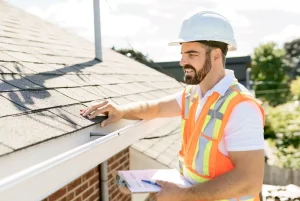
Professional roof inspections play an essential role in maintaining a home’s value and structural integrity. These evaluations can identify minor issues, such as damaged shingles or blocked drainage, before they develop into costly repairs. By addressing these concerns early, homeowners can extend the lifespan of their roofs and enhance energy efficiency. Understanding the specific benefits of these inspections can reveal how they not only safeguard investments but also prevent unexpected expenses down the line.
Key Takeaways
- Professional inspections identify minor issues early, preventing them from escalating into costly repairs down the line.
- Regular assessments extend the lifespan of roofing materials, reducing the need for premature replacements.
- Inspections provide detailed insights, enabling informed maintenance decisions that optimize long-term costs.
- Detecting drainage problems early prevents water damage, safeguarding the home’s structural integrity and value.
- Comprehensive evaluations promote energy efficiency, lowering utility bills and enhancing overall property value.
Why Roof Inspections Are Essential for Homeowners
Roof inspections are essential for homeowners, as they serve as a proactive measure to identify potential issues before they escalate into costly repairs. Regular assessments, guided by a professional roof inspection guide, enable homeowners to detect wear, leaks, or structural damage early. This process involves a thorough examination of roofing materials, flashings, and drainage systems, ensuring that all components function effectively. Additionally, these inspections help maintain the integrity of the home, safeguarding against water intrusion and associated mold growth. By adhering to a scheduled inspection routine, homeowners foster a sense of security in their living environment. Ultimately, understanding the importance of roof inspections promotes not only financial prudence but also a strong sense of community responsibility among homeowners.
How a Professional Roof Inspection Saves You Money
Investing in a professional roof inspection can lead to significant long-term savings for homeowners. By identifying issues early, such inspections prevent minor problems from escalating into costly repairs. A thorough examination covers structural integrity, drainage systems, and material wear, ensuring that any potential risks are addressed promptly. In addition, a professional roof inspection guide equips homeowners with detailed insights into the roof’s condition, facilitating informed decisions about maintenance and replacements. This proactive approach not only extends the lifespan of the roof but also enhances energy efficiency, reducing utility costs. Ultimately, regular inspections foster a sustainable investment in property value, promoting a sense of security and belonging within the community.
Common Roof Inspection Issues
During a professional roof inspection, several common issues may be identified that could jeopardize the roof’s integrity and longevity. One prevalent concern is the presence of damaged or missing shingles, which can expose underlying materials to moisture. Additionally, improper flashing around chimneys and vents often leads to leaks, compromising the roof’s waterproofing. Accumulation of debris, such as leaves and branches, can also hinder drainage, resulting in water pooling and structural damage. Moreover, deteriorating sealants around skylights may allow water infiltration. Identifying these issues early is essential, as they can escalate into more significant problems if left unaddressed. A professional roof inspection guide emphasizes the importance of recognizing and addressing these common issues to guarantee long-term roof performance and safety.
How Regular Inspections Prevent Costly Repairs
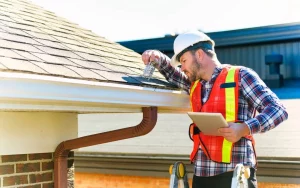
Regular inspections serve as a proactive measure in maintaining the integrity of a roof, markedly reducing the likelihood of costly repairs. By identifying potential issues early, such as loose shingles, damaged flashing, or signs of water infiltration, homeowners can address them before they escalate. These inspections typically involve a thorough assessment of the roof’s condition, evaluating material wear, structural integrity, and drainage systems. Routine evaluations not only extend the lifespan of roofing materials but also mitigate the risk of severe damage that could lead to extensive repairs or even premature roof replacement. Consequently, investing in regular professional roof inspections ultimately safeguards financial resources, ensuring a sound roof that protects the home and enhances its value in the long run.
Tips for Picking the Best Roofer
When selecting a roofer, homeowners should consider several critical factors to guarantee quality workmanship and reliability. First, verifying credentials is essential; licensed and insured roofers provide assurance against potential liabilities. Homeowners should also seek out professionals with extensive experience and positive reviews, as these indicators often reflect quality service. Obtaining multiple estimates enables homeowners to compare pricing and scope of work, ensuring transparency. Additionally, inquire about warranties on both materials and labor, which can safeguard future investments. Finally, a reputable roofer will engage in a thorough consultation, discussing the specifics of the project. By following these tips, homeowners can make informed decisions, ultimately contributing to effective roof maintenance and reinforcing the importance of a professional roof inspection guide.
Frequently Asked Questions
How Often Should I Schedule a Professional Roof Inspection?
Homeowners should schedule a professional roof inspection at least once a year, ideally in the spring or fall. This routine check helps identify potential issues early, ensuring the roof remains in excellent condition and extends its lifespan.
What Should I Expect During a Roof Inspection?
During a roof inspection, an expert evaluates structural integrity, checks for leaks, assesses materials, and inspects drainage systems. Detailed findings are provided, highlighting necessary repairs and maintenance, ensuring homeowners understand their roof’s condition and longevity.
Are Roof Inspections Covered by Homeowners Insurance?
Roof inspections are generally not covered by homeowners insurance, as they are considered a maintenance task. Homeowners should consult their policy details, as coverage can vary based on specific circumstances and insurance providers.
Can I Perform My Own Roof Inspection?
While homeowners can perform their own roof inspections, it is advisable to seek a professional roof inspection guide. Professionals possess expertise and tools that enhance accuracy, ensuring thorough assessments and potentially preventing costly future repairs.
What Qualifications Should a Professional Roofer Have?
A qualified professional roofer should possess certifications in roofing technology, extensive experience, liability insurance, and knowledge of local building codes. These credentials guarantee adherence to safety standards and effective problem identification during inspections, fostering trust and reliability.
Conclusion
To sum up, professional roof inspections play a pivotal role in safeguarding homeowners’ investments. By identifying potential issues early, such as damaged shingles or drainage blockages, these inspections facilitate timely interventions that prevent costly repairs. Regular assessments not only enhance roof longevity and energy efficiency but also protect property value. Consequently, investing in routine professional inspections is a strategic decision that yields substantial financial benefits, ultimately ensuring the integrity and performance of the home’s roofing system over time.
You May Also Like To Read: